

The Power of Custom Injection Molding: Tailored Solutions for Your Manufacturing Needs
In today’s competitive market, businesses require precision-engineered components that meet specific requirements. Custom injection molding has emerged as a game-changer, offering tailored solutions for a wide range of industries. In this blog post, we’ll explore what custom injection molding is, its benefits, the process involved, and how it can elevate your manufacturing projects.
What is Custom Injection Molding?
Custom injection molding is a manufacturing process that involves creating unique plastic parts designed specifically for a client’s specifications. Unlike standard molds that produce high-volume, generic products, custom molds are designed to meet particular design, material, and functionality requirements, making them ideal for specialized applications.
Benefits of Custom Injection Molding
- Tailored Designs: Custom injection molding allows businesses to create parts that precisely fit their needs, ensuring optimal performance and functionality.
- Material Variety: With custom solutions, you can select from a wide range of materials, including thermoplastics, elastomers, and even advanced composites, to meet specific durability and flexibility requirements.
- Cost Efficiency for Large Runs: While initial setup costs can be higher, custom injection molding becomes cost-effective for large production runs due to its efficiency and low per-unit costs.
- Complex Geometries: Custom molds enable the production of intricate shapes and designs that would be difficult or impossible to achieve with traditional manufacturing methods.
- Branding and Aesthetics: Custom molds can incorporate unique branding elements, colors, and textures, enhancing the product’s visual appeal and market differentiation.
The Custom Injection Molding Process
- Consultation and Design
The process begins with a consultation to understand the client’s specific needs and objectives. This stage involves discussing design requirements, functionality, and material selection. Advanced CAD software is often used to create detailed designs and 3D models of the part.
- Mold Fabrication
Once the design is finalized, the next step is fabricating the custom mold. This involves precision machining to ensure the mold meets exact specifications. High-quality materials are used to create durable molds that can withstand the rigors of production.
- Material Preparation and Injection
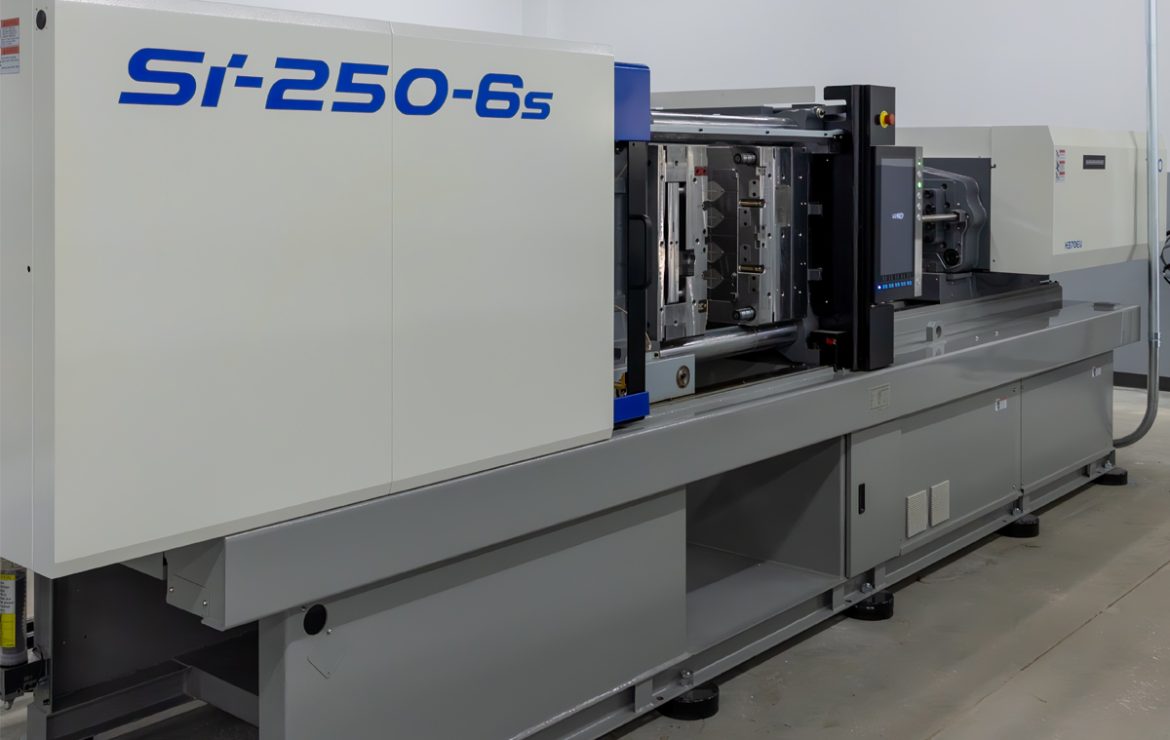
After the mold is ready, the selected plastic material is prepared and melted in the injection molding machine. The molten material is then injected into the mold under high pressure, ensuring every detail is captured.
- Cooling and Solidification
The injected material is allowed to cool and solidify within the mold. This step is crucial for achieving the desired dimensional accuracy and surface finish.
- Ejection and Finishing
Once the part has cooled, the mold is opened, and the finished part is ejected. Post-processing may include trimming excess material, painting, or assembly, depending on the project requirements.
Applications of Custom Injection Molding
Custom injection molding serves various industries, including:
- Automotive: Custom components for dashboards, interiors, and engine parts.
- Medical: Tailored medical devices, housings, and components that require precision and compliance with regulations.
- Consumer Goods: Unique packaging solutions and household items designed to stand out in the market.
- Electronics: Custom casings and internal components for devices like smartphones, tablets, and appliances.
Choosing the Right Custom Injection Molding Partner
When selecting a custom injection molding provider, consider the following factors:
- Experience and Expertise: Look for a company with a proven track record in your industry and familiarity with the specific challenges you face.
- Technology and Capabilities: Ensure the provider has state-of-the-art machinery and technology to produce high-quality molds and parts.
- Communication and Support: A reliable partner should maintain open communication throughout the project, providing support from design to production.
Conclusion
Custom injection molding is a powerful solution for businesses looking to create high-quality, tailored components. By investing in this process, you can achieve the precision and functionality needed to excel in your industry. Whether you’re launching a new product or seeking to optimize existing designs, custom injection molding can provide the competitive edge you need.
If you’re ready to explore custom injection molding solutions for your next project, contact us today to discuss how we can bring your vision to life!