

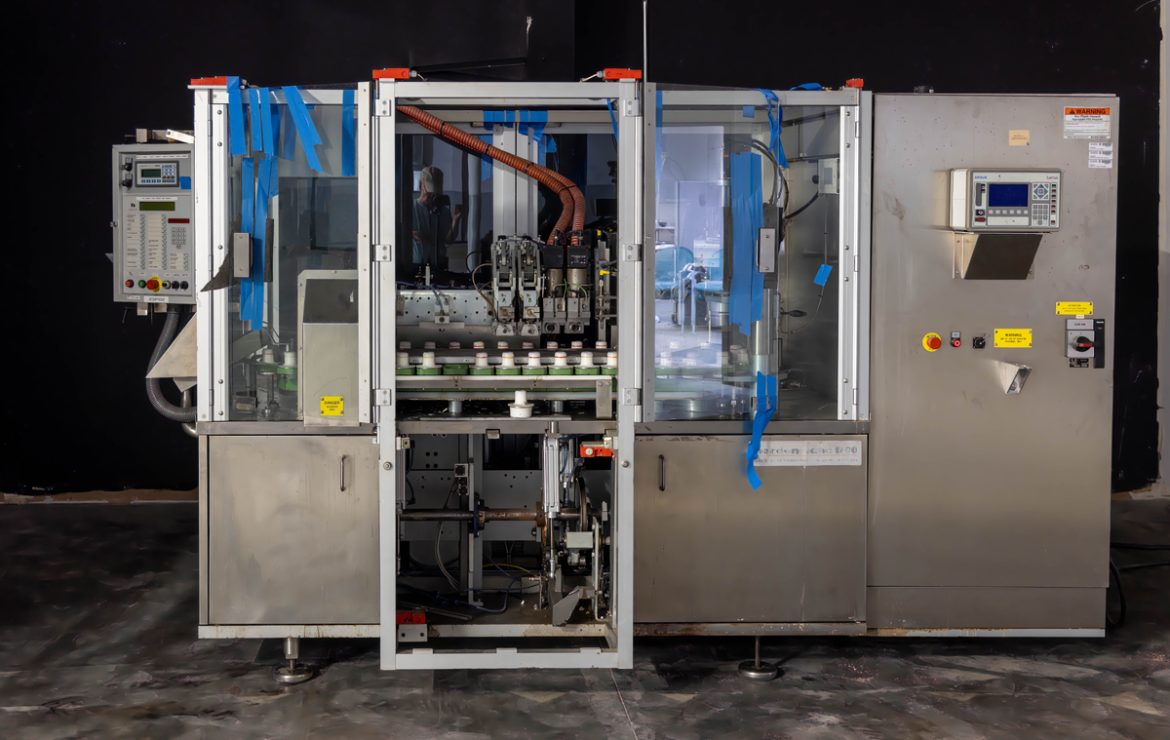
Understanding Liquid Filling Manufacturing: A Comprehensive Guide
Liquid filling manufacturing is a crucial process in various industries, from food and beverages to pharmaceuticals and cosmetics. This method ensures efficient and precise filling of containers with a wide range of liquid products. In this blog post, we’ll explore the fundamentals of liquid filling manufacturing, its types, applications, and key considerations for successful implementation.
What is Liquid Filling Manufacturing?
Liquid filling manufacturing involves the process of transferring liquids into containers, such as bottles, jars, or pouches, using specialized machinery. This process is vital for ensuring product consistency, quality, and compliance with industry standards.
Types of Liquid Filling Systems
- Gravimetric Filling:
- Description: This method measures the weight of the liquid as it is filled into the container, ensuring accuracy.
- Applications: Commonly used in the food industry for products like oils and sauces.
- Volumetric Filling:
- Description: This technique measures a specific volume of liquid and dispenses it into the container.
- Applications: Ideal for beverages and cleaning products where precise volume is critical.
- Pneumatic Filling:
- Description: Utilizes air pressure to fill containers, suitable for foamy or viscous liquids.
- Applications: Often used in cosmetics and personal care products.
- Time-Pressure Filling:
- Description: This method fills containers by controlling the time and pressure of the liquid flow.
- Applications: Common in the beverage industry for filling carbonated drinks.
- Peristaltic Filling:
- Description: A flexible tube system that compresses and releases liquid, ideal for sensitive liquids.
- Applications: Used in pharmaceuticals and biotechnology.
Key Benefits of Liquid Filling Manufacturing
- Efficiency and Speed:
- Modern liquid filling systems are designed to operate at high speeds, significantly reducing production time.
- Accuracy and Consistency:
- Advanced technologies ensure precise filling, minimizing waste and ensuring product uniformity.
- Versatility:
- Liquid filling machines can handle various container sizes and liquid types, making them suitable for diverse industries.
- Automation:
- Many liquid filling systems can be automated, leading to reduced labor costs and increased production efficiency.
Industries Utilizing Liquid Filling Manufacturing
- Food and Beverage:
- Products like juices, sauces, dairy, and bottled water heavily rely on liquid filling processes for packaging.
- Pharmaceuticals:
- Ensuring accurate dosage in liquid medicines and vaccines is critical, making liquid filling essential in this sector.
- Cosmetics and Personal Care:
- Lotions, shampoos, and other liquid products require precise filling to maintain brand integrity and customer satisfaction.
- Chemicals:
- Household and industrial cleaning products, oils, and lubricants are filled using specialized liquid filling techniques.
Considerations for Successful Liquid Filling Manufacturing
- Container Compatibility:
- Ensure the filling system is compatible with various container shapes and sizes to accommodate different products.
- Liquid Properties:
- Consider the viscosity, temperature, and chemical composition of the liquid to select the appropriate filling method.
- Regulatory Compliance:
- Adhere to industry regulations and standards, particularly in food and pharmaceutical manufacturing, to ensure product safety.
- Maintenance and Hygiene:
- Regular maintenance and cleanliness of filling equipment are crucial to prevent contamination and ensure operational efficiency.
- Automation vs. Manual Filling:
- Evaluate whether automated systems or manual processes are more suitable based on production volume and budget constraints.
Conclusion
Liquid filling manufacturing is an essential process that ensures the efficient and accurate packaging of liquid products across various industries. By understanding the different types of liquid filling systems and their applications, businesses can optimize their production processes and maintain high standards of quality.
If you’re interested in exploring liquid filling solutions for your products or need assistance with setting up a liquid filling line, contact us today to discuss how we can help meet your manufacturing needs!