

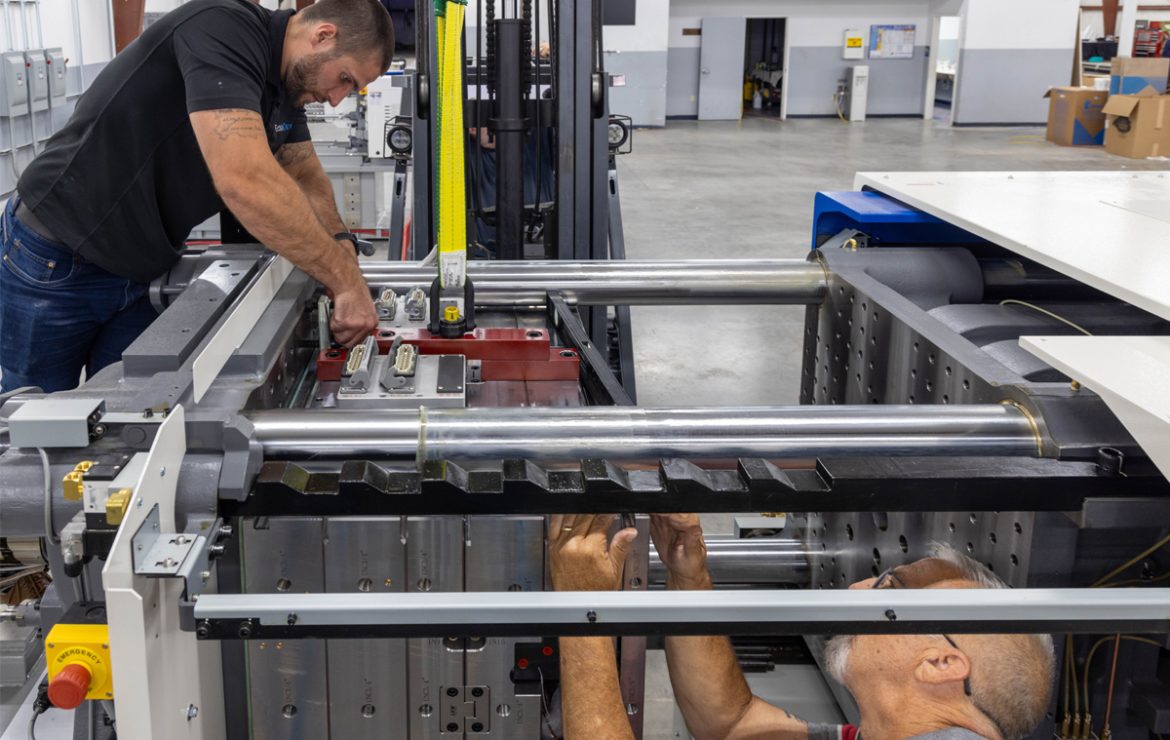
Understanding the Injection Molding Process: A Comprehensive Overview
Injection molding is a cornerstone of modern manufacturing, playing a crucial role in producing a wide variety of plastic products. Whether it’s the casing for your smartphone or components for automotive applications, this versatile process is behind many of the everyday items we use. In this blog post, we’ll explore the injection molding process step by step, highlighting its benefits and applications.
What is Injection Molding?
Injection molding is a manufacturing process used to create parts by injecting molten material into a mold. This method is particularly popular for producing plastic components due to its efficiency, precision, and ability to produce complex shapes.
The Steps of the Injection Molding Process
- Material Selection
The first step in the injection molding process is selecting the right material. Common materials include thermoplastics like ABS, polycarbonate, and polypropylene. The choice depends on the desired properties of the final product, such as strength, flexibility, and temperature resistance.
- Mold Design and Fabrication
Next, a mold is designed using computer-aided design (CAD) software. The mold consists of two halves: the cavity (the negative shape of the part) and the core. Precision is key in this stage to ensure that the final product meets quality standards. Once designed, the mold is fabricated, often using high-quality steel or aluminum.
- Injection of Material
Once the mold is ready, the selected plastic material is fed into the injection molding machine’s hopper. The machine uses a screw to heat and melt the plastic until it becomes a viscous liquid. This molten material is then injected into the mold under high pressure, filling every cavity and detail.
- Cooling and Solidification
After the mold is filled, the material is allowed to cool and solidify. Cooling time can vary depending on the size and complexity of the part. Proper cooling is essential to avoid defects and ensure dimensional accuracy.
- Mold Opening and Part Ejection
Once the material has cooled and solidified, the mold opens, and the finished part is ejected using ejector pins. This step is crucial for preventing damage to the newly formed part.
- Post-Processing
After ejection, the part may undergo additional processes, such as trimming excess material (flash), painting, or assembly, depending on the specific requirements.
Advantages of Injection Molding
- High Efficiency: Injection molding allows for mass production of parts, significantly reducing manufacturing costs per unit.
- Precision and Consistency: The process can produce highly detailed and uniform parts, making it ideal for applications requiring tight tolerances.
- Complex Shapes: Injection molding can create intricate designs and complex geometries that are often challenging to achieve with other manufacturing methods.
- Material Versatility: A wide range of materials can be used, including various plastics, enabling manufacturers to select the best fit for their needs.
- Minimal Waste: Since the process is highly controlled, there is little material waste compared to other manufacturing techniques.
Applications of Injection Molding
Injection molding is utilized across various industries, including:
- Consumer Goods: From packaging to household items.
- Automotive: Components such as dashboards, bumpers, and internal fittings.
- Medical: Devices like syringes, connectors, and housings for medical equipment.
- Electronics: Casings and parts for smartphones, computers, and other electronic devices.
Conclusion
The injection molding process is a vital manufacturing technique that combines efficiency, precision, and versatility. Understanding its steps and benefits can help businesses make informed decisions about product development and manufacturing strategies. Whether you’re looking to produce a simple part or a complex assembly, injection molding is likely the solution you need.
If you’re interested in learning more about how injection molding can benefit your business, or if you need assistance with a project, feel free to reach out to us!